Figuring out how to fix a door lock that won't turn feels stressful, but most problems come from dirt, worn keys, or a sagging door rather than a broken mechanism. A loose door handle can be an early warning sign before the lock fully jams.
When the key feels like it's hitting a barrier, it usually means the internal pins aren't lining up, or the door frame has shifted out of alignment.
Some locks refuse to rotate at all, while others let the key spin without unlocking. Each issue needs a different approach, and forcing the key can cause more damage. Before you call a locksmith, try these easy fixes you can do at home.
- What Tools Are Needed to Fix a Stuck Door Lock
- Quick Troubleshooting Guide
- 1. Clean the Lock Mechanism
- 2. Reset Worn Pins with the Jiggle Method
- 3. Test for Key Damage
- 4. Diagnose Door Alignment Issues
- 5. Adjust the Strike Plate
- 6. Secure Loose Mounting Screws
- 7. Thaw Frozen Cylinders
- What Shows a Lock Is Beyond DIY Repair
- When Should You Call a Professional Locksmith
- Frequently Asked Questions
- Why should I avoid using WD-40 on my door lock?
- What is the best lubricant for a stuck door lock?
- Why does my key turn but the door does not unlock?
- Can I use graphite powder to fix a stuck lock?
- How do I fix a lock that works only when the door is open?
What Tools Are Needed to Fix a Stuck Door Lock
You only need a few simple tools to check common lock problems and handle basic troubleshooting safely; most of these you probably already have at home.
- PTFE or silicone lubricant (Tri-Flow, Houdini)
- Spare key
- Phillips screwdriver
- Compressed air
- Metal file
- Hand sanitizer (for frozen locks)

Quick Troubleshooting Guide
Use this quick guide to spot common lock problems, identify their causes, and choose the right fix before calling for help.
| Problem You Notice | Likely Cause | Simple Test | DIY Fix |
| Key won't turn at all | Dirt, old oil, debris | Insert key → no rotation | Clean with PTFE spray |
| Key works only sometimes | Worn internal pins | Jiggle key while applying light pressure | Use jiggle method |
| Key from keychain won't work | Daily key is worn | Test with spare key | Replace worn key |
| Lock works when door is open | Misaligned strike plate | Turn key with door ajar | File strike plate |
| Key feels mushy or wobbly | Loose lock screws | Wiggle lock hardware | Tighten mounting screws |
| Key stuck in winter | Frozen moisture | Cold weather only | Use hand sanitizer to thaw |
| Key spins freely | Broken tailpiece | Zero resistance during turn | Lock needs repair/replacement |
1. Clean the Lock Mechanism
Dirt and old oil can clog the internal pins. If the key won't turn in the lock, it usually means the pins cannot rise and fall correctly.
The Fix: Spray a PTFE or Teflon-based lubricant directly into the keyway. Insert your key, wiggle gently, remove it, wipe it off, and repeat this three times. This flushes out debris while coating the metal with a clean, dry film.
Important Note: Avoid using WD-40 because it leaves a sticky residue that traps dust and eventually causes the lock pins to bind. Graphite powder is also risky if the lock has been oiled before, since it can mix with old residue and form a thick sludge.
2. Reset Worn Pins with the Jiggle Method
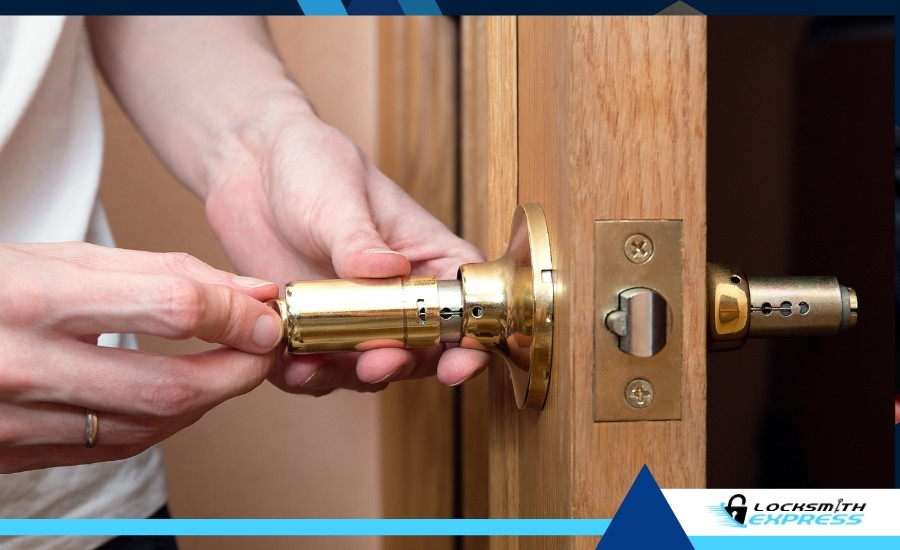
Pins inside the lock wear out and don't always align. A quick jiggle can sometimes restore movement.
The Fix: Insert the key fully, pull it back slightly, apply gentle turning pressure, and jiggle the key to help the pins line up.
While the video below demonstrates professional locksmith tools, the specific up-and-down wiggling motion shown is exactly the technique you need to replicate using your own house key to realign stuck pins.
3. Test for Key Damage
Using a worn or bent key can stop the lock from turning properly. Try using your spare key to see if this is the case.
4. Diagnose Door Alignment Issues
A sagging door can push the bolt out of line, so check the lock while the door is open to confirm alignment.
5. Adjust the Strike Plate
When the bolt scrapes the frame, filing the strike plate opening slightly helps the lock slide smoothly again.
6. Secure Loose Mounting Screws
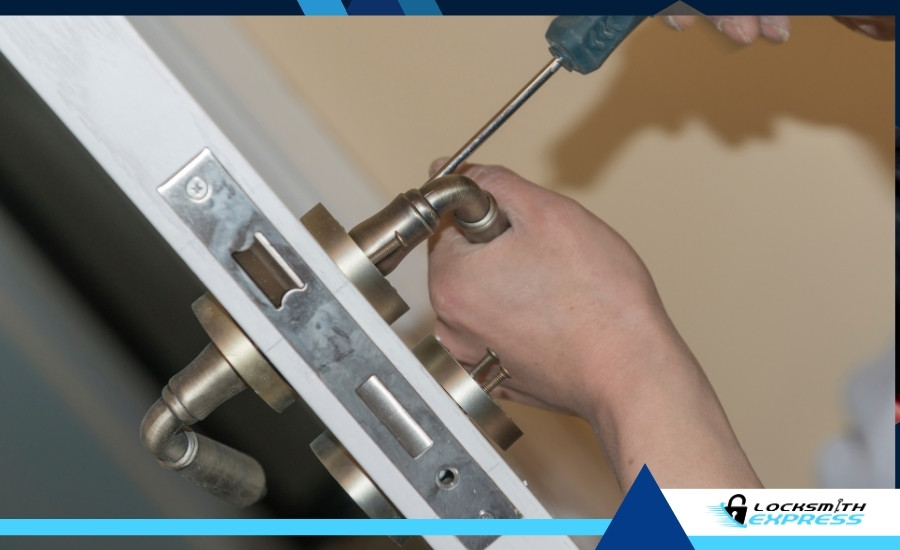
Loose screws can shift the lock mechanism, so tighten all hardware to keep the cylinder aligned and stable.
7. Thaw Frozen Cylinders
Cold weather can freeze moisture inside the cylinder; hand sanitizer on the key melts the ice and restores movement. For car issues like a stuck ignition key, the problem usually involves the steering column rather than the ignition.
If you're not comfortable handling these troubleshooting steps, a residential locksmith can help you avoid unnecessary repairs.
What Shows a Lock Is Beyond DIY Repair
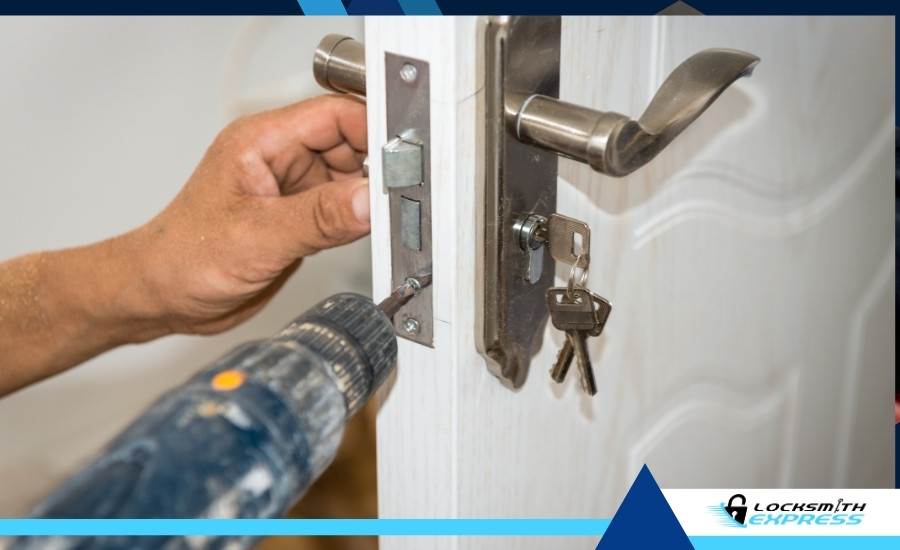
If your key turns in a full circle with no resistance, an internal piece has likely failed. This often means the tailpiece inside the lock has snapped, allowing the key to rotate without moving the bolt. Lubricants cannot fix this issue.
If you have a Kwikset SmartKey lock, the problem may also involve a disengaged sidebar, which prevents the lock from functioning. When internal parts break, the lock can't be restored with simple DIY steps, so you must decide whether to rekey or replace the entire unit.
When Should You Call a Professional Locksmith
Most locks that refuse to turn only need cleaning, lubrication, or a small alignment fix. Starting with the simplest steps saves time and prevents damage.
If none of the DIY methods help, Locksmith Express can assist with safe, professional service. If you're locked out and nothing is working, you can search for a locksmith near you.
Frequently Asked Questions
Why should I avoid using WD-40 on my door lock?
WD-40 leaves a sticky residue that traps dust and lint, which eventually causes the internal pins to gum up and jam. It may work briefly, but the buildup creates long-term problems.
What is the best lubricant for a stuck door lock?
A PTFE or Teflon-based spray like Tri-Flow or Houdini is the best option. These lubricants clean debris and leave a dry film that repels moisture and dust.
Why does my key turn but the door does not unlock?
This usually means the tailpiece inside the lock has broken, so the cylinder spins without moving the latch. Replacement or professional repair is required.
Can I use graphite powder to fix a stuck lock?
Graphite can harden into a sludge if mixed with oil residue inside the lock. Modern synthetic sprays work better and avoid long-term buildup issues.
How do I fix a lock that works only when the door is open?
This is a door alignment issue. The bolt is hitting the frame instead of entering the strike plate. Filing the strike plate slightly lower usually fixes the problem.