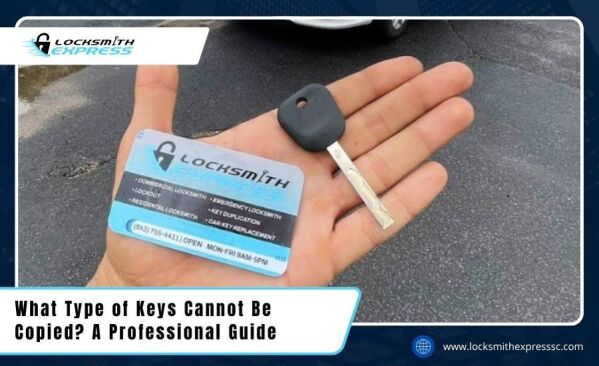
Keys that cannot be copied without strict authorization include patented restricted keys, magnetic code keys, digital hybrid keys, and specialized laser-cut keys. These high-security systems use legal patent protections and complex physical designs to prevent unauthorized duplication.
If you want to keep your home or business secure, you need to understand which keys stay in your pocket and which ones anyone can easily duplicate. Most people rely on the "Do Not Duplicate" stamp, but that rarely stops someone from making a spare. This guide breaks down the physical and legal barriers that secure your access points.
- Quick Comparison of Key Security Levels
- Keys That Are Extremely Difficult to Copy Without Authorization
- Types of Keys That Anyone Can Duplicate
- Secure Your Property with Uncopyable Keys
- Frequently Asked Questions
- What does "Do Not Duplicate" on a key actually mean?
- Why do some keys require a security card to be copied?
- Can any locksmith copy a restricted key?
- How do I get a copy of a patented key?
- Are there keys that hardware store kiosks can't cut?
Quick Comparison of Key Security Levels
Choosing the right lock involves weighing the convenience of quick copies against the risk of unauthorized access. Use the following breakdown to identify where your current hardware falls on the security spectrum:
| Key Category | Duplication Difficulty | Legal Protection | Typical Use Case |
| Standard | Extremely Easy | None | Interior Rooms |
| Stamped DND | Easy | None | Basic Rentals |
| Patented | Not supported by standard kiosks | Patent-protected design | Main Entries |
| High-Security | Professional Only | Contractual | Business/Luxury |
Keys That Are Extremely Difficult to Copy Without Authorization
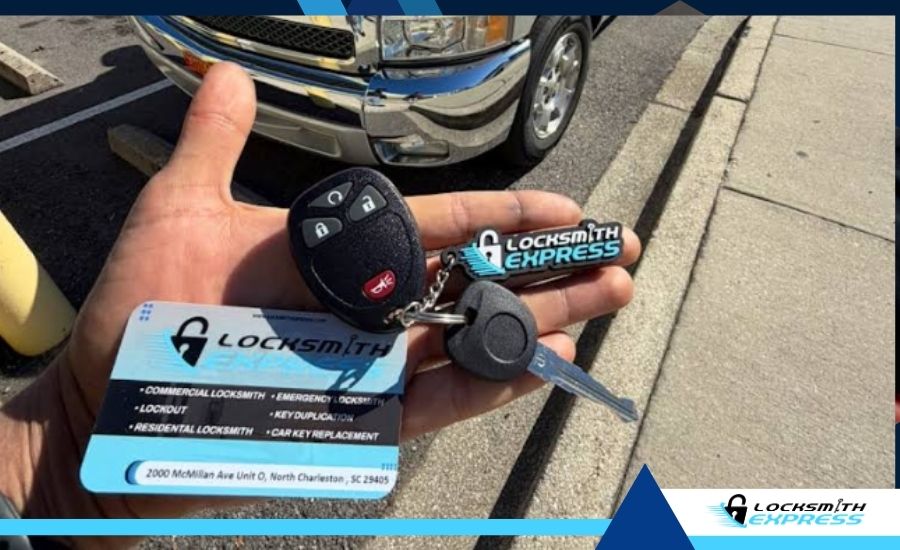
High-security locks use patented designs and complex internal parts. Standard key-cutting machines cannot replicate them. Manufacturers design these systems to give you total control over how many spares exist in the world:
- Patented Restricted Keys: Patent law protects these keys. The law heavily restricts who can manufacture and distribute the key blanks. Only authorized locksmiths or dealers can obtain the blanks required to cut them.
- Magnetic Code Keys: These keys use a combination of physical cuts and embedded magnets. The magnets interact with the lock's internal components, making them far more complex than standard metal keys.
- Laser-Cut Keys: These require specialized equipment, such as high-end CNC milling machines, to carve a track into the center of the blade. You cannot duplicate them by simply cutting teeth into the edge.
- Digital Hybrid Keys: These systems combine a physical key blade with an electronic transponder chip. The lock or ignition system must recognize the chip before it will function.
Types of Keys That Anyone Can Duplicate
Most residential locks use "open" keyways. Manufacturers sell these blanks in bulk to every hardware store and automated machine in the country. If your key falls into this category, you have very little control over who makes a copy:
- Standard Residential Keys: Common profiles from standard brands like Schlage serve as the industry standard. A clerk can copy them in under a minute for a few dollars.
- Do Not Duplicate Stamped Keys: These keys are physically identical to standard keys. The stamp acts only as a request, and most automated machines will ignore it.
- Older Vehicle Keys: These keys lack transponder chips or side-milling. This makes them easy to trace and cut with basic hardware-store equipment.
- Padlock Keys: Most entry-level padlocks use generic blanks. The public can buy these freely at any home improvement center.
Secure Your Property with Uncopyable Keys
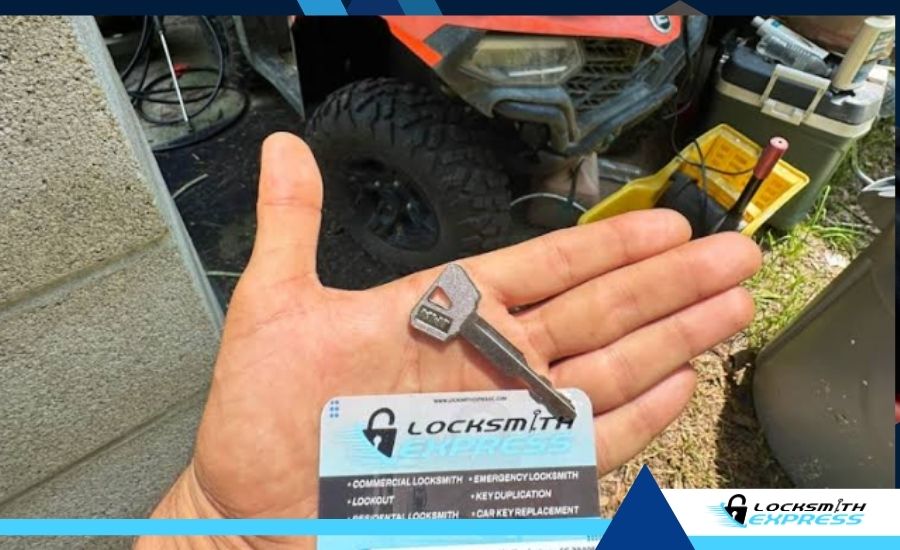
Choosing a difficult-to-copy key requires creating a system where you are the only person who can authorize a new entry point to your property. A standard key provides quick convenience, but it leaves a massive gap in your security. Any guest or contractor can easily make a spare.
Upgrading to a patented key system restricts duplication. This ensures that professionals make copies only through authorized channels with proper identification. Locksmith Express is a locksmith in North Charleston, SC, specializing in residential, commercial, and automotive lock services for homeowners, businesses, and vehicle owners. We implement these high-security key frameworks to give you total control over your property.
Take control of your home's access. Consult with our locksmith near you before duplicating a restricted keyway system.
Frequently Asked Questions
What does "Do Not Duplicate" on a key actually mean?
For most standard keys, it is just a request. Key blanks are widely available. A hardware store clerk or an automated kiosk can still cut a copy. Real control requires restricted or patented key systems where access to the blanks is heavily limited.
Why do some keys require a security card to be copied?
The security card proves you are the authorized owner of the lock system. Manufacturers only sell restricted blanks to specific locksmiths. The card acts as a passport, allowing the professional to verify your identity before they use their regulated equipment.
Can any locksmith copy a restricted key?
No. Only authorized locksmiths or dealers with access to that specific key system can obtain the required blanks. If you take a restricted key to an unauthorized locksmith, they will not have the parts to help you.
How do I get a copy of a patented key?
You must find a locksmith authorized by the manufacturer. You will need to present your security authorization card and show a valid photo ID. This process ensures professionals track and account for every single copy in existence.
Are there keys that hardware store kiosks can't cut?
Yes. Kiosks generally cannot cut patented restricted keys, magnetic keys, or most laser-cut keys. These machines lack the specialized milling bits and sensors required to process high-security hardware.