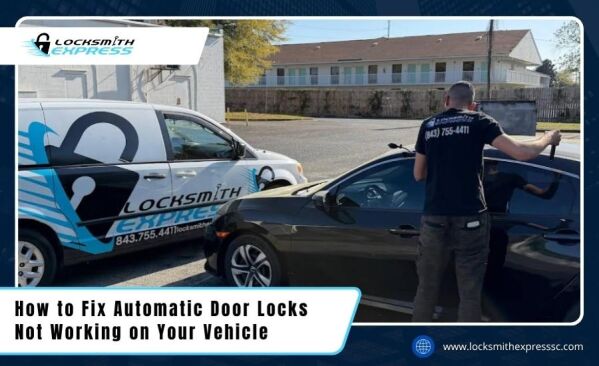
When you have automatic door locks not working, the primary causes are a dead key fob battery, a blown electrical fuse, a failing door lock actuator, or broken wiring in the door jamb. Pressing your remote and seeing no response immediately leaves your vehicle unsecured and vulnerable to theft. This guide explains how to isolate the specific component causing your power lock failure and outlines the necessary diagnostic and repair steps.
Why You Must Fix Automatic Door Locks Not Working
Automatic door locks provide necessary vehicle security and passenger safety. They secure the vehicle instantly and protect occupants during transit. In a collision, the door latch system acts as the primary component keeping the doors closed. Automatic locking mechanisms ensure the doors remain secured against external threats, such as carjackings, when the vehicle stops in traffic.
Main Causes of Automatic Door Locks Not Working
You must first determine if the lock failure affects one door or the entire vehicle. This observation helps you identify whether the issue is a localized mechanical defect or a system-wide electrical fault:
- Blown Fuses: An electrical surge or a failing motor can blow the central locking fuse, cutting power to all locks instantly.
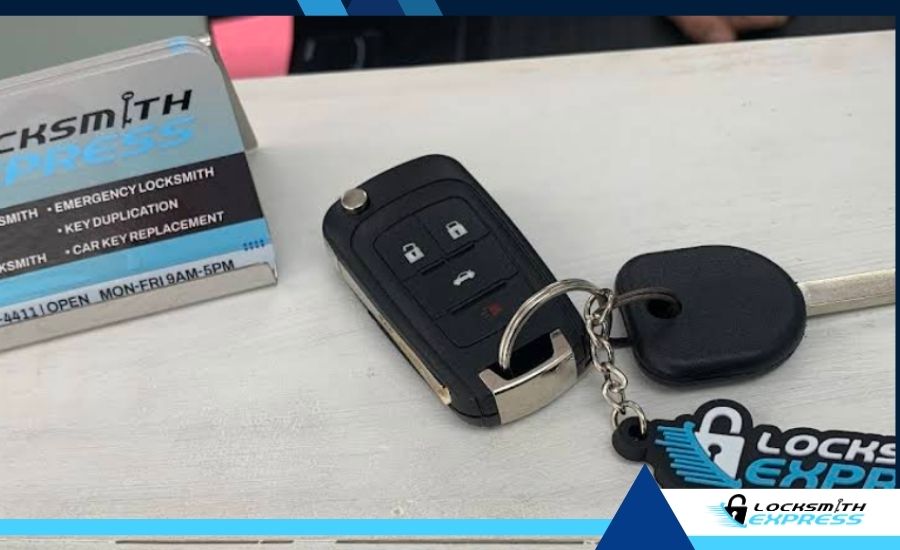
- Dead Key Fob Battery: If the interior door switches operate normally but the remote fails, you are likely dealing with key fobs not working due to a dead coin cell battery.
- Broken Door Jamb Wiring: Opening and closing the door repeatedly can fray and snap the copper wires hidden inside the rubber protective boot.
- Bad Body Control Module: This central computer controls your car's electronics. Software errors or internal hardware faults can stop it from sending lock commands.
Diagnosing Bad Actuators and Mechanical Lock Failures
Mechanical and electrical parts inside the door frame degrade over time. Identifying these mechanical symptoms early prevents you from getting permanently locked out or dealing with a completely broken door lock:
- Stripped Actuator Gears: A loud grinding or buzzing noise from the door panel indicates the electric motor works, but its plastic gears are broken.
- Weak Lock Actuators: If the lock plunger moves slowly or stops halfway down, the internal motor lacks the power to pull the linkage.
- Frozen Latch Mechanisms: Dirt, moisture, and road grime build up inside the door panel, jamming the metal linkages and preventing movement.
Common Symptoms of Failing Power Locks
| Audio or Visual Symptom | Underlying Mechanical Issue | Repair Complexity |
| Loud grinding or clicking noise | Stripped plastic actuator gears | Moderate (Requires panel removal) |
| Plunger moves but does not unlock | Weak motor winding or high resistance | Moderate (Actuator replacement needed) |
| Complete silence when pressing buttons | Broken wire, dead motor, or blown fuse | High (Requires electrical tracing) |
Safety Risks When Your Automatic Door Locks Are Not Working
Driving with malfunctioning entry systems exposes you to structural hazards and theft. You must address these mechanical defects to ensure safety during transit and emergencies:
- Emergency Entrapment: Severe mechanical damage to the latch assembly can make it difficult to open a door. Most vehicles feature manual interior handles that override electronic lock failures.
- Increased Theft Exposure: Assuming your doors locked when the system actually failed leaves your property completely vulnerable to thieves.
- Occupant Ejection Risks: A faulty lock actuator rarely affects the primary latch. However, if the latch mechanism itself is damaged, the door may open while driving.
- Battery Drain: A broken lock actuator can get stuck in the active position. This continuous power draw will drain your car battery overnight.
- Insurance Complications: A documented lock malfunction can result in the denial of a theft claim. You should verify if your insurance covers locksmith diagnostics and repairs based on your specific policy terms.
DIY Troubleshooting: Fixes for Automatic Door Locks Not Working
You can resolve several common lock failures at home using basic tools before visiting a repair shop:
- Replace the Fob Battery: Open the key fob housing and install a new lithium coin cell battery to restore the signal strength.
- Inspect the Fuse Box: Locate the power lock fuse using your owner's manual. Pull it out and replace it if the internal metal strip is broken.
- Lubricate the Latches: Apply a high-quality silicone lubricant directly into the door latch assembly to unbind sticky mechanical linkages.
- Clean Key Fob Contacts: Open the remote and clean the circuit board buttons with rubbing alcohol to remove built-up dirt and debris.
When to Call a Locksmith for Car Door Lock Repairs
Complex electrical diagnostics and programming require specialized training. Attempting advanced repairs without the correct tools often causes expensive vehicle damage:
- Removing Interior Panels: Detaching plastic door trim without breaking hidden clips or tearing moisture barriers requires specialized pry tools.
- Key Fob Reprogramming: If a new battery fails to fix the remote, a professional must use a diagnostic scanner to resync the fob to the body control module.
- Advanced Electrical Tracing: Locating short circuits or broken wiring requires multimeters and precise wiring schematics.
- Code Compliance: Professionals ensure repairs meet federal safety regulations, maintaining your vehicle's factory safety standards.
Get Professional Help for Broken Automatic Door Locks
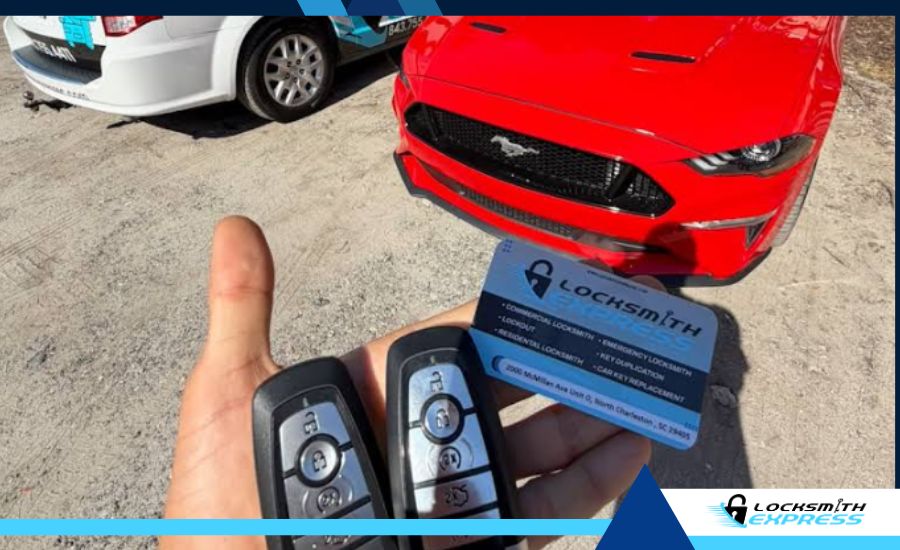
Fixing a broken power lock protects your vehicle, your personal property, and your passengers. By systematically troubleshooting the system, you can identify simple problems like a dead battery or a blown fuse.
If you discover a complex electrical fault or a broken actuator, you need an expert to handle the repair safely. Reach out for automotive locksmith services in North Charleston to ensure your vehicle is serviced correctly. Contact our automotive locksmith to inspect your locking system, identify the specific point of failure, and replace the broken components.
Locksmith Express is a locksmith in North Charleston SC, specializing in residential, commercial, and automotive lock services for homeowners, businesses, and vehicle owners.
Frequently Asked Questions
Why did all my automatic door locks suddenly stop working?
When all doors fail simultaneously, the cause is usually a blown central circuit fuse, a faulty lock relay, a dead car battery, or a software error in the body control module.
What causes a power car door lock to click but not unlock?
A loud clicking or buzzing sound indicates the electric motor is receiving power, but the internal plastic gears are stripped or the physical door linkage is mechanically jammed.
How do you diagnose a failing power door lock actuator?
Diagnosing an actuator involves testing the component for electrical power, inspecting the wiring harness, and verifying motor operation. This process usually requires removing the interior door panel.
Can a bad fuse cause just one car door lock to stop working?
No. A blown fuse cuts power to the entire locking circuit, which causes all the automatic door locks in the vehicle to fail at the exact same time.
How does a locksmith fix central locking system problems?
A professional uses diagnostic scanners to read computer fault codes, tests wiring paths for short circuits, replaces damaged door actuators, and reprograms malfunctioning key fobs on-site.