Learning how to fix cylinder lock problems quickly and safely can prevent frustrating lockouts and protect your property from unauthorized access. Whether you're dealing with a stuck door lock or a spinning mechanism, simple maintenance and the right tools often solve the issue before it escalates. Understanding the inner workings of your lock ensures you handle it correctly and maintain reliable security. Keep reading to discover clear, step-by-step methods for fixing your cylinder lock problems like a professional.
Understanding the mechanical design of your lock keeps your property safe and extends the life of your hardware. The following guide covers practical solutions, safety precautions, and legal considerations to help you maintain reliable locks at home or in a business setting.
- What Is The Best Way To Fix A Door Lock?
- How Do Local Security Laws Affect Property Owners?
- What Are The Common Hazards Of DIY Lock Repairs
- How Can You Fix A Spinning Cylinder Mechanism?
- When Is It Time To Hire A Professional?
- Frequently Asked Questions
- Is lock maintenance legally required for landlords?
- What is the penalty for non-compliance with safety standards?
- Why does a key get stuck in the door?
- Can homeowners use cooking oil to fix a jammed keyhole?
- How often should property owners lubricate exterior doors?
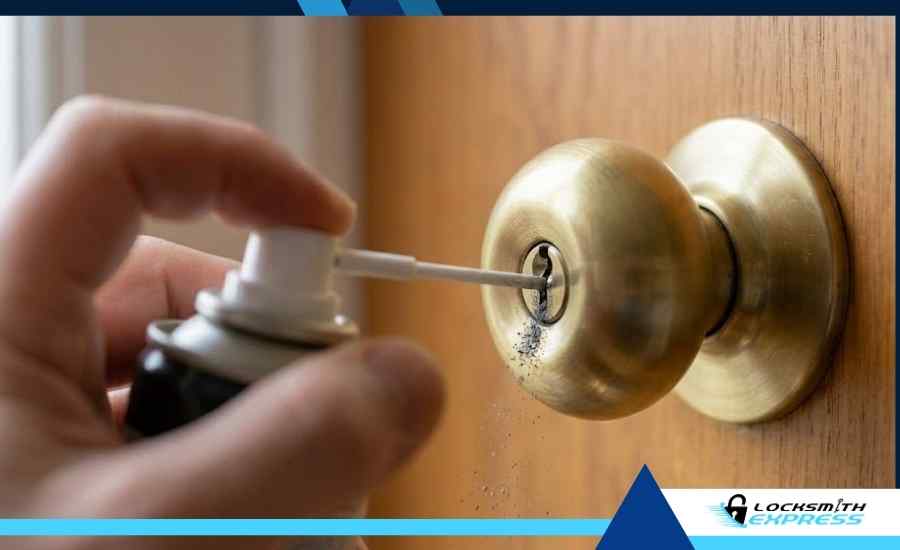
What Is The Best Way To Fix A Door Lock?
The best practice for fixing door locks is to use the right dry lubricant and secure loose components. This straightforward approach keeps your hardware running smoothly without damaging the pins or springs.
A perfectly functioning deadbolt should turn effortlessly with the key. Proper maintenance prevents accidental lockouts and protects your property from unwanted entry.
Applying a small puff of dry graphite powder directly into the keyhole clears out built-up grime. This specialized material reduces internal friction while preventing dust from adhering.
Turn your key back and forth a few times to evenly distribute the powder. Avoid wet oils, as they can collect debris and clog the lock mechanism.
How Do Local Security Laws Affect Property Owners?
Local regulations and industry standards dictate specific security measures to protect building occupants. Laws expect landlords to maintain functional deadbolts to prevent liability and ensure basic tenant safety.
Global standards focus on heavy-duty drill resistance and typically require an ANSI Grade 1 rating for maximum security. Your local area may also demand hardware that withstands high coastal humidity or extreme weather.
The South Carolina Residential Landlord and Tenant Act expects property owners and landlords to maintain safe and habitable premises. Broken locks that compromise security can create liability risks.
Coastal property owners regularly replace corroded hardware to maintain compliance. High humidity can cause internal springs to rust rapidly if left untreated.
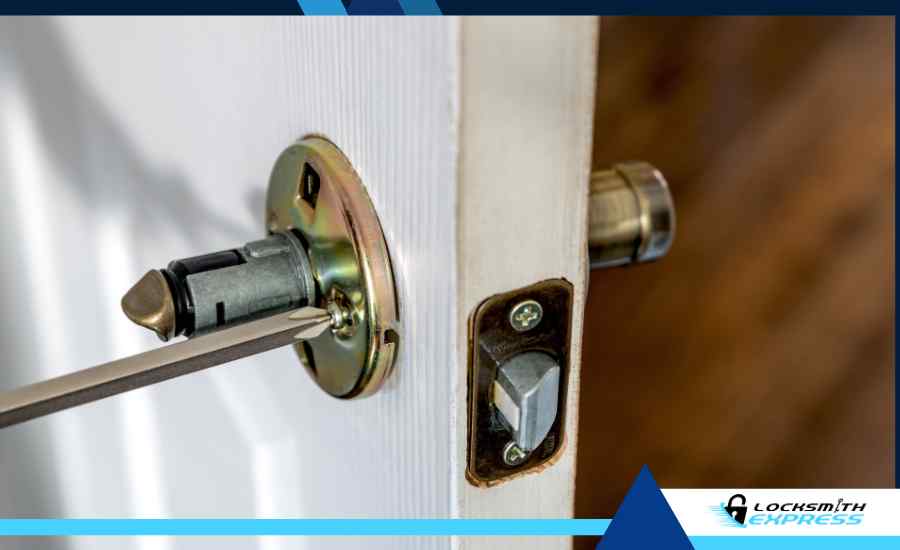
What Are The Common Hazards Of DIY Lock Repairs
Forcing a jammed key or using the wrong tools are the most common mistakes in DIY lock repairs. These errors can destroy the internal mechanism and leave your property vulnerable.
Avoid these mistakes to protect your door hardware:
- Using incorrect lubricants: Wet oils attract dust and create destructive sludge inside the lock housing.
- Applying excessive force: Turning a stuck key too hard can snap the internal metal pins.
- Improper key extraction: Using pliers or makeshift tools can push broken pieces deeper into the plug, making repairs more complicated.
How Can You Fix A Spinning Cylinder Mechanism?
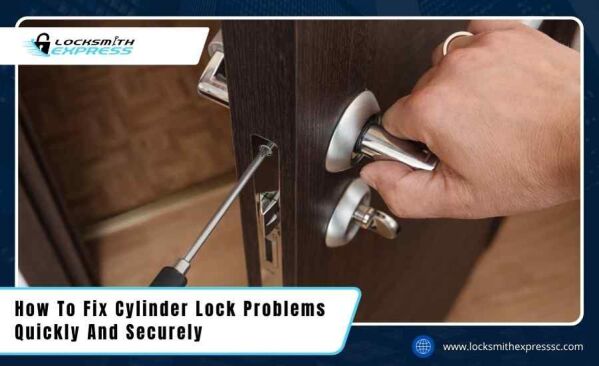
Fixing a spinning cylinder requires locating and tightening the main set screw on the door edge. This secures the housing so the internal cam can properly engage the deadbolt.
When the cylinder spins freely, the key cannot throw the bolt. Follow these steps:
- Open your door and examine the metal faceplate on the door edge.
- Locate the long Phillips-head set screw, aligned horizontally with your lock.
- Tighten the screw clockwise until the spinning motion stops.
This method restores proper function and avoids the need for full lock replacement.
When Is It Time To Hire A Professional?
Hire a professional when basic adjustments fail to resolve ongoing security issues. Certified locksmiths safely replace broken parts without voiding insurance or risking structural damage.
Attempting complex internal repairs can lead to permanent hardware failure. Relying on an experienced professional ensures your home or business remains secure.
Locksmith Express is a locksmith in North Charleston SC, specializing in residential, commercial, and automotive lock services for homeowners, businesses, and vehicle owners. If basic fixes don't solve your cylinder lock problems, our certified team can quickly assess, repair, or replace your hardware to keep your property secure. Contact us today for a reliable locksmith near me and enjoy fast, professional service you can trust.
Frequently Asked Questions
Is lock maintenance legally required for landlords?
South Carolina law requires landlords to provide safe and habitable premises. Failing to repair a broken deadbolt can lead to financial penalties if a tenant experiences a property crime.
What is the penalty for non-compliance with safety standards?
Landlords may face civil lawsuits and be held liable for stolen property. Tenants could also legally break their lease without penalty.
Why does a key get stuck in the door?
Dirt and dried debris accumulate inside pin chambers over time. Applying dry graphite powder clears this buildup and restores smooth movement.
Can homeowners use cooking oil to fix a jammed keyhole?
Avoid cooking oils or household lubricants in locks. Wet oils collect dust, creating a thick sludge that damages internal pins.
How often should property owners lubricate exterior doors?
Coastal residents should apply a dry lubricant every 3 to 6 months. Regular maintenance prevents salt air and humidity from corroding brass and steel components.