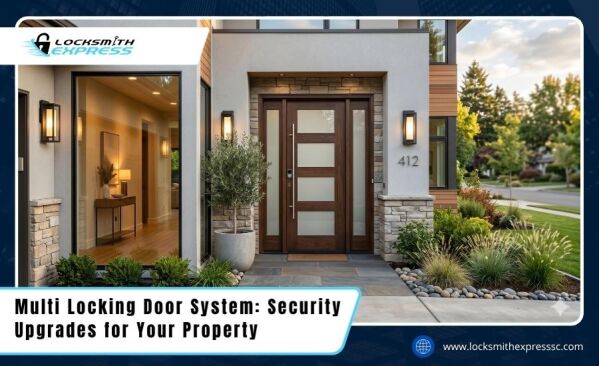
A multi-locking door system is a high-security hardware setup that secures a door at the top, middle, and bottom simultaneously using a single key or handle. This configuration protects the entire height of the door, distributing physical force evenly to stop intruders from prying or twisting the door frame. If you need to increase entry point security without replacing the entire door structure, this system provides a highly effective, long-term barrier against forced entry.
A standard deadbolt or a basic master key system only secures one central point. This leaves the upper and lower corners vulnerable to leverage attacks. Multi-point locks eliminate these weak spots entirely.
- What Is a Multi-Locking Door System and How Does It Work?
- How Do Building Codes Affect Multi-Locking Door Hardware?
- Common Installation Mistakes With Multi-Point Locks
- Professional Multi Locking Door System Installation
- Frequently Asked Questions
- Is a multi-locking door system legally required for my business?
- What is the penalty for non-compliance with fire egress codes?
- Can someone pick a multipoint locking mechanism?
- How do I know if my multipoint hardware is broken?
- Do multi-point systems lower insurance premiums?
What Is a Multi-Locking Door System and How Does It Work?
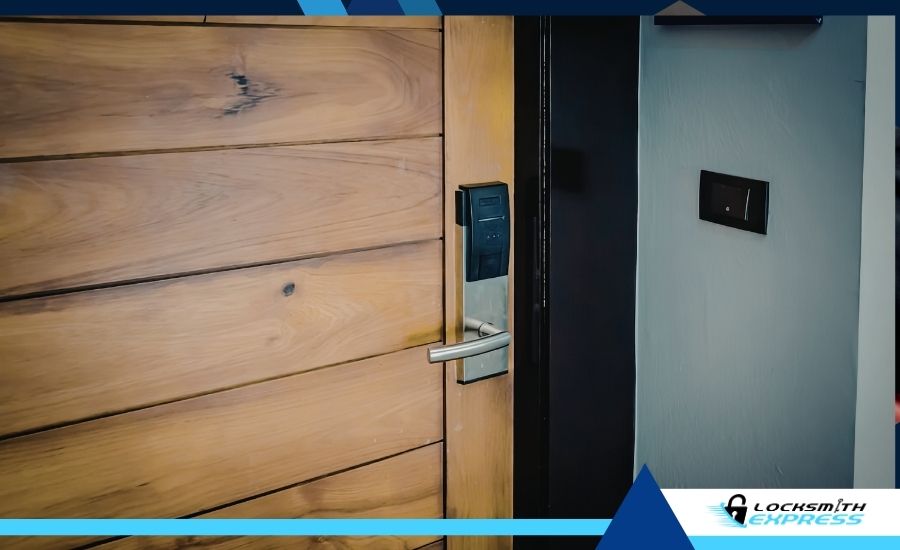
A multi-point locking system engages several distinct locking mechanisms into the door frame at the exact same time. This anchors the door firmly in place, making it extremely difficult to bypass or force open.
Review the primary hardware components below to understand how the system functions:
| Hardware Component | Security Function |
| Central Deadbolt | Provides the primary locking anchor point in the middle of the door. |
| Hook Bolts | Grip directly into the door frame to resist prying and heavy physical force. |
| Roller Cams | Pull the door firmly against the weatherstripping for a tight, secure seal. |
| Euro Profile Cylinder | Controls the entire mechanism, activating all locking points simultaneously. |
These systems are standard on modern composite and UPVC doors. These strong materials are frequently used in energy-efficient doors, which lower utility bills by improving insulation while actively boosting physical security.
How Do Building Codes Affect Multi-Locking Door Hardware?
Local building codes dictate specific, strict requirements for life safety, emergency access, and hardware performance. Installing incorrect hardware creates serious safety hazards and often results in failed property inspections.
In regions prone to severe weather, building codes require exterior hardware rated for windborne debris and high atmospheric pressure. Furthermore, commercial properties must comply with the Americans with Disabilities Act (ADA). ADA regulations require that exit doors allow for unhindered egress using a single, simple motion without tight grasping or twisting of the wrist.
Selecting the correct multi-locking door system ensures your building remains secure while strictly adhering to these mandatory legal standards.
Common Installation Mistakes With Multi-Point Locks
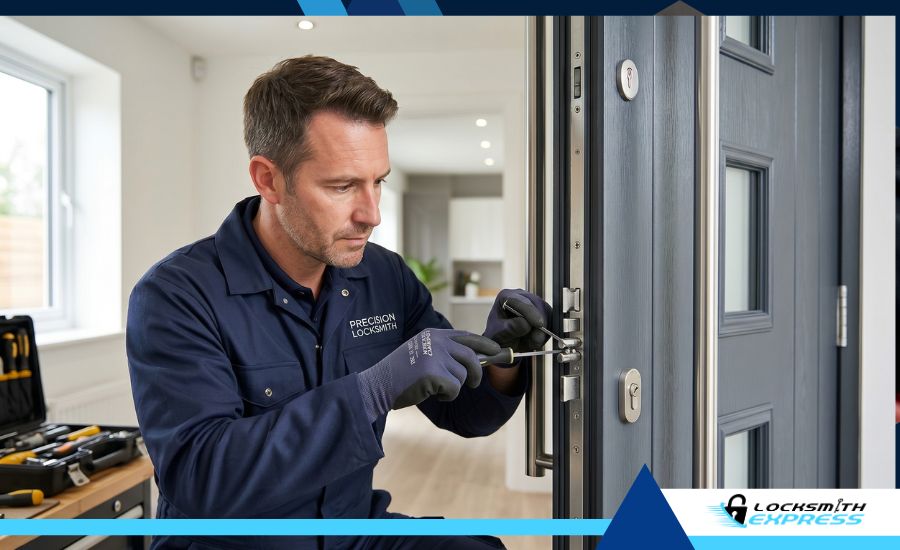
High-security hardware only works when installed correctly. Minor installation errors create critical vulnerabilities that compromise the entire system.
Avoid these common issues:
- Installing standard lock cylinders: Basic cylinders are easily bypassed via lock snapping or drilling. Always install high-security cylinders tested and rated by independent organizations to withstand destructive entry.
- Ignoring door alignment: Doors sag and shift over time. If the door drops, the locking hooks and rollers will fail to engage with the frame properly. Routine maintenance prevents this issue.
- Using mismatched parts: You must pair your multi-point hardware with the appropriate type of locks and door material. Incorrect pairings cause mechanical failure.
- Skipping professional installation: These systems require exact measurements and precise alignment. Improper installation weakens security and damages the internal gear mechanisms.
Addressing these technical requirements ensures your hardware functions correctly and provides maximum security.
Professional Multi Locking Door System Installation
Installing a multi-locking door system is a proven method to fortify your entryways, seal out drafts, and meet modern building codes.
Hire a professional locksmith near you to guarantee exact alignment and reliable, long-term performance. Locksmith Express is a locksmith in North Charleston SC, specializing in residential, commercial, and automotive lock services for homeowners, businesses, and vehicle owners.
Frequently Asked Questions
Is a multi-locking door system legally required for my business?
Commercial buildings must comply with life safety and fire codes. While a specific multi-point lock is not universally mandated, the hardware you choose must always allow for rapid, safe exiting during emergencies.
What is the penalty for non-compliance with fire egress codes?
Property owners face substantial fines, mandatory hardware replacements, and failed fire inspections. Additionally, insurance companies can deny coverage claims if non-compliant hardware caused or worsened an incident.
Can someone pick a multipoint locking mechanism?
Standard cylinders are vulnerable to picking. However, modern multi-point systems use upgraded cylinders equipped with anti-pick, anti-bump, and anti-drill pins to neutralize these specific threats.
How do I know if my multipoint hardware is broken?
Signs of mechanical failure include a stiff handle, a key that refuses to turn fully, or noticeable drafts around the door edges. These symptoms usually indicate poor frame alignment or broken internal gears.
Do multi-point systems lower insurance premiums?
Many insurance providers offer policy discounts for properties equipped with high-security door hardware. These systems measurably decrease the likelihood of a successful break-in, which lowers the insurer's financial risk.